
The freedom of cycling is a joy unlike any other, but every cyclist knows the vulnerability that comes with sharing the road. A bike accident can happen in an instant, and the moments that follow are often filled with shock, confusion, and pain. In the chaos of the immediate aftermath, it’s easy to feel panicked and unsure of what to do.
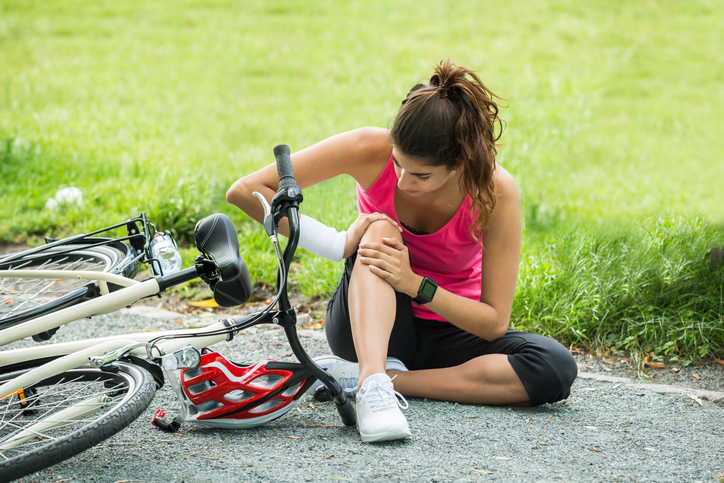
However, your actions in the minutes and hours after a crash can have a major impact on your safety, your health, and your legal rights. Knowing what to do in advance can help you stay calm, protect yourself, and ensure you have the best chance at a full recovery—both physically and financially.
Step 1: The Immediate Aftermath – Prioritize Your Safety and Health
Your well-being is the absolute top priority. Don’t worry about your bike or a legal claim; focus on yourself first.
- Check for Injuries: Immediately assess yourself for any injuries. Even if you feel fine, adrenaline can mask pain. Check for cuts, bruises, and any head trauma. If you or anyone involved is seriously injured, call emergency services (911) immediately.
- Move to a Safe Location: If you are able, get off the road and to a safe place, like a sidewalk or shoulder. This prevents a secondary collision and keeps you out of harm’s way.
- Call the Police: Call the police to report the accident, no matter how minor it seems. A police report is an official, unbiased record of the incident and is a vital piece of evidence for any future claim.
Step 2: At the Scene – Gather and Preserve Information
Once you are in a safe location, it’s time to collect critical information. What you document at the scene can make all the difference later.
- Do NOT Admit Fault: This is a crucial legal point. Do not apologize or say anything that could be interpreted as admitting fault, such as “I’m so sorry, I didn’t see you.” Stick to the facts of what happened.
- Exchange Information: Get the other driver’s full name, phone number, and email. You also need their insurance company’s name and policy number, and their vehicle’s license plate number.
- Document Everything: Use your phone to take photos and videos of the accident scene, including the damage to the vehicle and your bike, the position of the vehicles, traffic signals, and any road conditions. Also, take pictures of your injuries.
- Get Witness Information: If anyone saw the accident, get their name and phone number. Witness testimony can be invaluable.
Step 3: After the Scene – Focus on Recovery and Documentation
The work isn’t over when you leave the scene. The next few days are critical for your health and legal claim.
- Seek Medical Care: Even if you didn’t need an ambulance, see a doctor as soon as possible. Some injuries, like whiplash or internal bleeding, may not show symptoms for hours or even days. A medical record is essential to prove a direct link between the accident and your injuries.
- Document Everything: Keep a detailed record of every medical appointment, prescription, and bill. Track any days you missed from work and write down how your injuries have affected your daily life and emotional well-being.
- Keep Your Bike as-is: Do not repair your bike until an insurance adjuster or attorney has seen it. The damage to your bike is a key piece of evidence.
Step 4: Understand Your Legal Options and Consult a Professional
Navigating insurance companies and the legal system is complex, especially for a cyclist who may be facing unfair biases. This is where a qualified professional comes in.
- Why a Specialized Attorney Matters: An attorney who specializes in bike accidents understands the unique challenges that cyclists face. They know how to fight against bias and how to properly value the significant damages that can result from a crash. They will handle all communication with insurance companies, investigate the accident, and fight for the compensation you deserve.
Conclusion
A bike accident is a traumatic event, but by following a clear, step-by-step plan, you can regain control and protect your interests. The right steps—prioritizing safety, documenting the scene, seeking medical care, and consulting with a legal professional—can make all the difference in your road to recovery.