
Cycling offers an unrivaled sense of freedom, an efficient commute, and an excellent way to maintain cardiovascular health. However, whether navigating dense urban traffic or riding along quiet rural trails, cyclists share space with unpredictable variables. A sudden vehicle door opening, road debris, or an unexpected loss of traction can lead to an abrupt incident. Experiencing a bicycle crash is jarring, triggering an immediate surge of adrenaline that can cloud rational judgment.
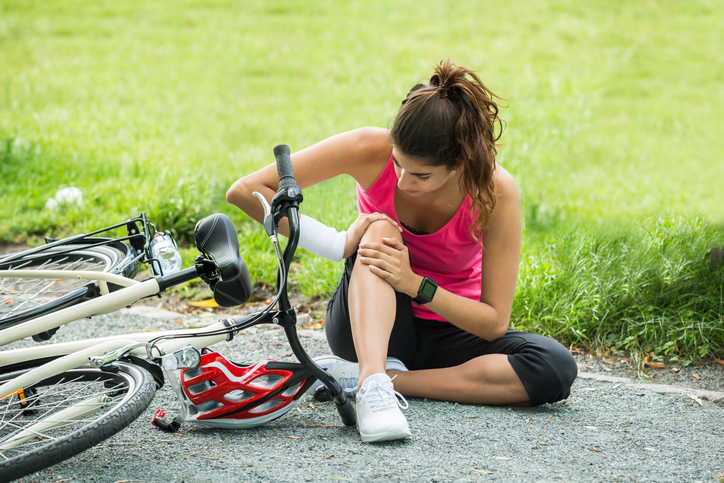
Knowing exactly how to navigate the minutes and days following an incident turns a chaotic situation into a controlled, manageable process. This step-by-step guide walks you through the essential measures to take immediately after a bicycle accident to safeguard your physical well-being, protect your legal rights, and ensure a smooth recovery.
Step 1: Prioritize Scene Safety and Bodily Assessment
The seconds immediately following a crash are crucial. Your absolute priority must be protecting yourself from secondary collisions and assessing your physical state before taking any other action.
If you are lying in an active roadway or lane of traffic and are physically capable of moving without causing further injury, carefully transfer yourself to a sidewalk, shoulder, or safe off-road area. If you suspect a serious neck, spinal, or head injury, or if moving causes severe pain, remain completely still and ask bystanders to direct oncoming traffic around you until medical personnel arrive.
Once in a secure location, conduct a deliberate body scan. Adrenaline is a powerful hormone that temporarily masks sharp pain and serious injury. Take a deep breath and check your limbs, neck, chest, and head for numbness, deep lacerations, or structural pain. Avoid the instinct to immediately jump back onto your bicycle or brush off the event.
Step 2: Contact Emergency Services and Request Official Documentation
Regardless of whether the accident seems minor or major, calling local emergency services or the police is a critical step that should never be skipped.
If injuries are present, request medical responders immediately. Even if you feel fine, having paramedics evaluate your vital signs provides an official, real-time medical evaluation. Furthermore, ask for law enforcement to respond to the scene to create an official police accident report. This document acts as an unbiased record of the event, detailing weather conditions, time, location, and initial statements from all involved parties.
When speaking with responding police officers, state facts clearly and concisely. Describe your direction of travel, speed, and the sequence of events objectively. Avoid making self-critical statements, apologizing, or speculating on speed or fault, as casual remarks made in a state of shock can be misinterpreted in official paperwork later.
Step 3: Collect Comprehensive Evidence at the Scene
Detailed evidence collected at the physical location forms the backbone of any subsequent insurance claim, medical reimbursement, or legal process. Modern smartphones make this step straightforward and efficient.
If you are physically able, capture detailed photographic and video evidence before anything is moved or cleared from the road:
- The position of your bicycle relative to the road, curb, or other vehicles
- Clear shots of vehicle license plates, make, model, and any visible damage
- Physical road hazards such as potholes, loose gravel, obscured signage, or poor lighting
- Visible personal injuries, torn clothing, damaged safety gear, and broken bicycle components
In addition, exchange contact and insurance information with any involved drivers. Collect full names, phone numbers, driver’s license numbers, and insurance policy details. If third-party witnesses are present, kindly request their contact information as well, as neutral bystander statements carry significant weight during official reviews.
Step 4: Preserve All Damaged Gear and Equipment
One of the most common mistakes cyclists make after a crash is repairing their bicycle or throwing away damaged gear immediately. Physical evidence is essential for demonstrating the force and nature of an impact.
Do not clean, repair, or discard your bicycle, helmet, clothing, or accessories. Keep your helmet exactly as it is after the crash; structural cracks in the EPS foam provide clear proof of head impact energy absorption. Place your torn jersey, scuffed shoes, cracked cycle computer, and damaged bicycle in a safe storage space. Take high-resolution photographs of all damaged items once you are home.
If your bicycle requires structural inspection, take it to an authorized professional bike shop for a formal written damage assessment and repair estimate, but instruct them not to begin work until insurance investigations are concluded.
Step 5: Seek Professional Medical Care and Monitor Symptoms
Some cycling injuries, particularly concussions, internal bruising, soft tissue strain, and micro-fractures, do not present severe symptoms immediately. They may manifest 24 to 48 hours after the adrenaline wears off.
Visit an urgent care center, primary care physician, or emergency room for a complete evaluation following the accident. Clearly inform the examining doctor that you were involved in a bicycle crash so they can run appropriate diagnostic imaging, check for mild traumatic brain injuries, and properly document every injury in your official medical records.
Follow all prescribed treatment plans, attend physical therapy sessions, and keep detailed records of all medical bills, prescription receipts, and time missed from work due to recovery.
Step 6: File Insurance Claims and Manage Communications
Once immediate health concerns are addressed, initiate contact with relevant insurance providers. Depending on your location and the circumstances of the crash, this may involve the driver’s auto insurance, your own auto insurance (which often covers bicycle accidents in many jurisdictions), or personal health insurance.
Stick strictly to verified facts when reporting the incident to insurance representatives. Provide the police report number, photos, and medical documentation. Avoid giving recorded statements to third-party insurance adjusters until you have fully understood the extent of your injuries and repair costs, or until you have consulted with a qualified legal professional specializing in bicycle law.
Conclusion
A bicycle accident is an unsettling event that can disrupt your routine and physical well-being, but taking structured, deliberate action restores control over the outcome. By prioritizing immediate scene safety, securing an official police report, meticulously documenting physical evidence, preserving your gear, and obtaining thorough medical evaluations, you build a solid foundation for physical recovery and fair compensation. Staying prepared, remaining calm under pressure, and following a step-by-step approach ensures that a temporary setback does not keep you off two wheels for long.